Holding Space for Pause: a guide to mindful coaching
Holding Space for Pause: A Guide to Mindful Coaching and Mindful Living
Table of Contents
I. Introduction
II. Why We Resist Slowing Down
III. What Silence Does in a Coaching Conversation
IV. The Pause as an Emotional Intelligence Practice
V. Practical Ways to Build Mindfulness into Your Day
VI. The Courage it Takes
VII. Making Space for What Matters

I. Introduction
In a culture that seems to expect constant motion, pausing can feel like falling behind. But for coaches, leaders, and anyone invested in genuine growth, the pause isn't lost time — it's where transformation actually happens.

II. Why We Resist Slowing Down
Most of us have been conditioned to equate busyness with progress. The result? We react instead of respond, skim past important insights, and gradually lose touch with our own intuition. When we move too fast, growth stays surface-level — we absorb information without integrating it, make decisions without real clarity, and push forward without even knowing why.
Just as nature moves through seasons of activity and rest, sustainable growth requires both action and reflection. This mindfulness is what allows learning to integrate.
III. What Silence Does in a Coaching Conversation
In coaching, silence is not empty — it's where clients process, integrate, and access their own inner wisdom. When a coach resists the urge to fill periods of silence, something remarkable happens: the client finds their own, authentic answers.
This is one of the most valuable skills in coaching. The temptation to direct, reframe, or "fix" can sometimes be strong in new coaches who are used to the “expert” role. But trusting the pause and holding steady in silence creates the conditions for genuine insight and lasting change. Breakthroughs rarely come from the coach's words — they emerge in the space between them.
IV. The Pause as an Emotional Intelligence Practice
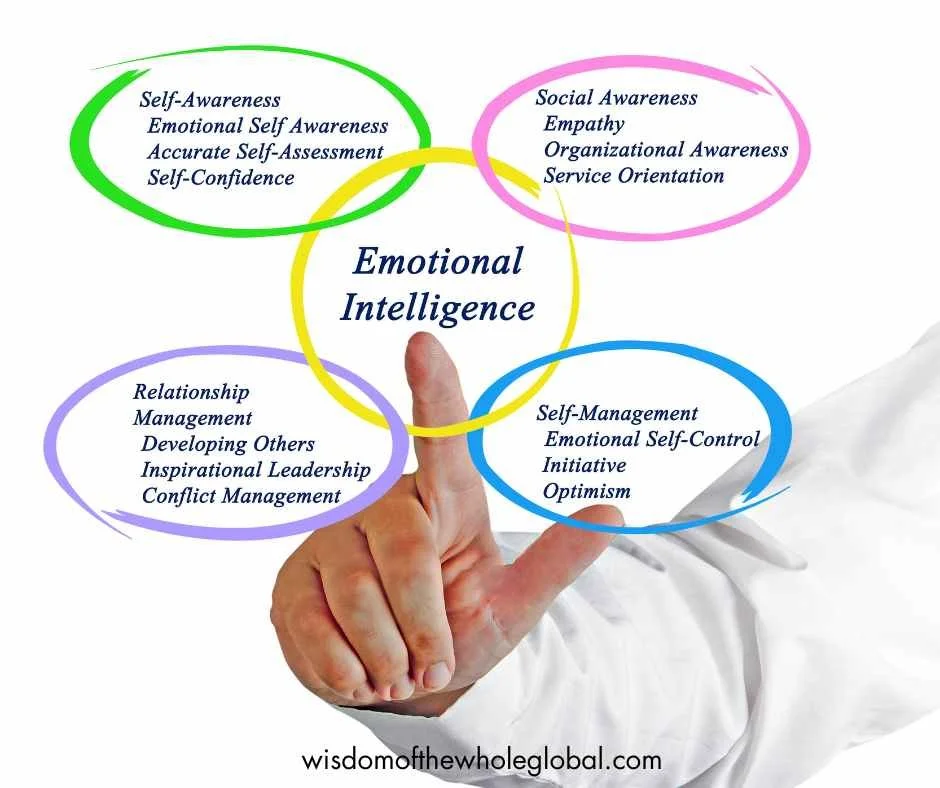
Beyond mindful coaching sessions, learning to pause is one of the most practical ways to build emotional intelligence. Pausing briefly before responding helps you notice your emotional state before it drives your reaction, tune into your body’s signals, shift from snap judgment to genuine curiosity, and listen to others more fully, rather than just waiting for your turn to speak. Over time, this practice rewires old patterns — moving you from autopilot responses to conscious, intentional ones.

V. Practical Ways to Build Mindfulness Into Your Day
You don't need long stretches of time to create a pause. Small, consistent moments create meaningful shifts:
The Three-Breath Reset — Before responding in a tense conversation or switching tasks, take three slow breaths. Notice the inhale, the exhale, and the natural stillness in between.
The Transition Pause — Between meetings, tasks, or appointments, take 60 seconds to close one mental “tab” before opening another. You can do this any way you like using imagery, a somatic exercise, or using a catch-phrase as you finish processing your remaining thoughts.
The Check-In Question — Ask yourself: “What am I experiencing right now?" Notice thoughts, emotions, and physical sensations without judgment. This single question is a doorway to self-awareness and can be done at almost any time and place. Consider this when you get into your car after work or while waiting for the train. Check-in with yourself as you walk the produce section of the grocery store.
Coached Silence — For coaches: allow three to five seconds of silence after a client finishes speaking before responding. Resist filling it. Watch what emerges.
VI. The Courage It Takes
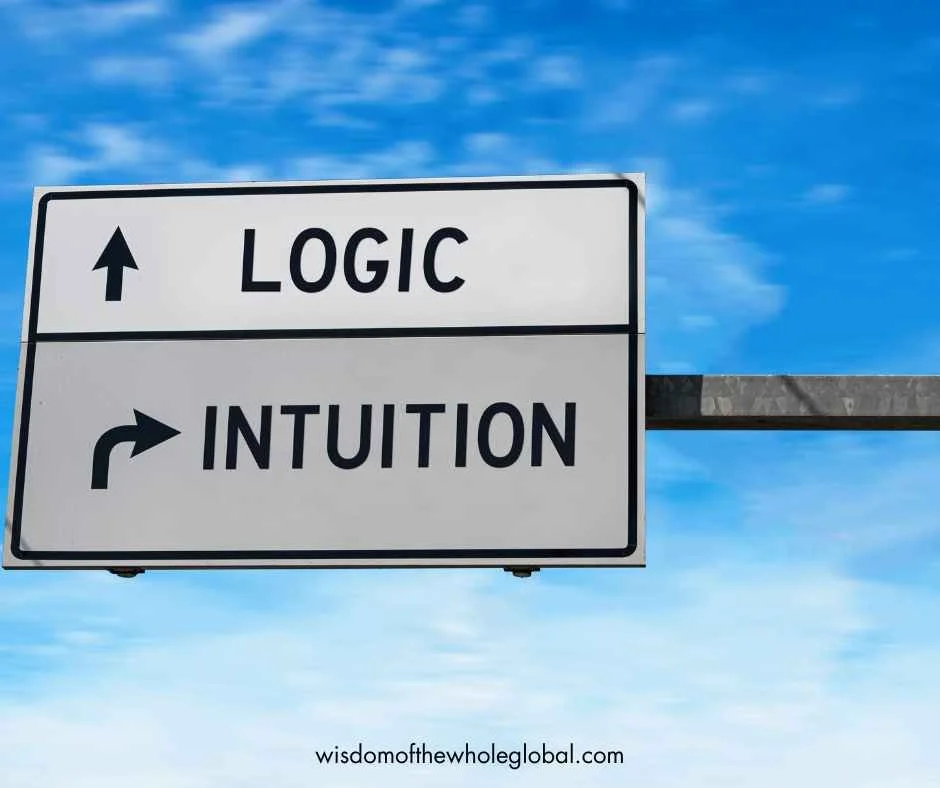
Pausing isn't always comfortable. Silence can surface emotions we've been avoiding, or expose uncertainty we'd rather not sit with. That discomfort is worth paying attention to — it often points toward exactly what needs integration. Choosing to pause in those moments is an act of self-leadership. It means trusting that what emerges from stillness is more valuable than what we produce in a rush.
VII. Making Space for What Matters
Mindfulness isn't about doing less, it’s about creating the right conditions for clarity, authentic connection, and whole-person awareness. When you slow down, even if briefly, you reconnect with your values, your intuition, and the kind of presence that makes both coaching and living genuinely transformative.
Join us for a Coaching In Action call to see how one of our skilled coaches uses pause in a live coaching session.